


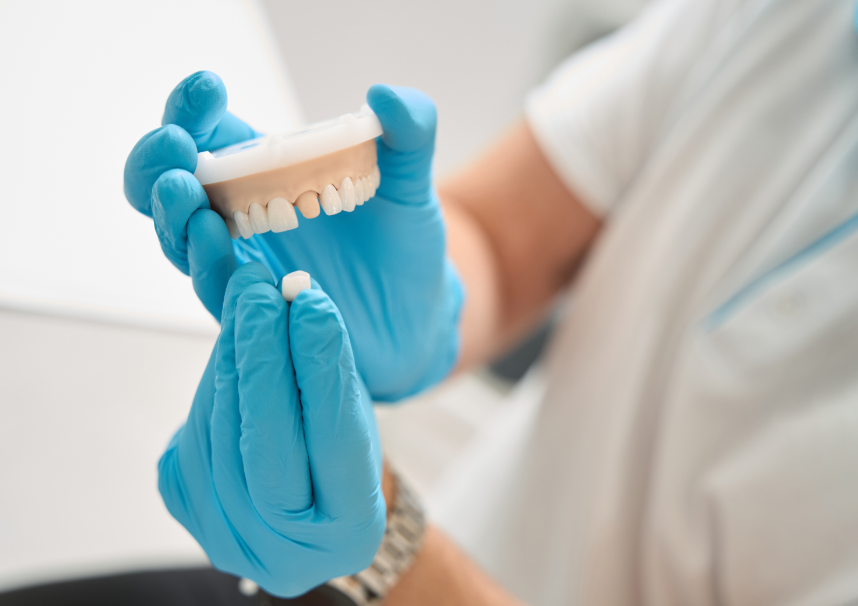
A dental crown is a common restorative treatment used to protect and strengthen a tooth that has been weakened by decay, cracks, large fillings, or root canal therapy. Crowns are designed to fully cover the visible portion of the tooth, restoring its shape, function, and appearance.
For many patients, the idea of getting a crown brings up one major concern: pain. It’s completely normal to feel a little anxious if you’ve never had the procedure before. The good news is that modern dentistry has made crown placement a very manageable and typically comfortable experience.
What the Procedure Actually Feels Like
Most dental crown procedures are done under local anesthesia, which numbs the tooth and surrounding area completely. This means you should not feel pain during the treatment itself. What you may notice instead is pressure or movement as the dentist prepares the tooth and places the crown, but it should not be sharp or uncomfortable.
After the tooth is prepared, a temporary crown is usually placed while your permanent crown is being made. Once the final crown is ready, it is carefully fitted and cemented into place. At this stage, the focus is on making sure your bite feels natural and comfortable.
While the procedure itself is generally painless, it is normal to experience some mild soreness or sensitivity once the numbness wears off. This is usually temporary and can often be managed with over-the-counter pain relief if needed.
What to Expect After Getting a Crown
In the days following your appointment, you might notice slight sensitivity to hot or cold temperatures or mild tenderness around the treated tooth. This is a normal part of the healing process as your mouth adjusts to the new restoration.
Most patients find that any discomfort fades quickly, especially as the tooth settles and the gums recover. If your bite feels slightly off or if sensitivity persists beyond a few days, your dentist can make small adjustments to ensure everything feels right.
It’s important to follow any post-procedure instructions provided by your dental team, including being mindful when chewing on the treated side until you fully adjust to the crown.
Why Delaying a Crown Can Lead to More Discomfort
If your dentist has recommended a crown, postponing treatment can sometimes lead to bigger problems down the road. A weakened or damaged tooth does not improve on its own, and delaying care can increase the risk of further cracking, decay, or even infection.
When these issues progress, treatment may become more complex and potentially more uncomfortable than the original crown procedure would have been. In some cases, delaying care can even lead to the need for more extensive treatments, such as root canal therapy or extraction.
Addressing the issue early often means a simpler procedure, a smoother recovery, and less overall discomfort.
A Comfortable Step Toward a Healthier Smile
While it’s natural to feel nervous about dental work, getting a crown is typically far more comfortable than many patients expect. With modern techniques and effective anesthesia, the process is designed to be as easy and stress-free as possible.
Taking care of a damaged tooth sooner rather than later can help you avoid more serious issues and keep your smile strong for years to come.
A dental crown is ultimately a protective step that restores both comfort and function to your tooth.
About the Practice
Pleasant Valley Dentistry is led by Dr. Joshua Pogue, a compassionate and highly skilled dentist dedicated to providing comfortable, patient-centered care for individuals and families. Dr. Pogue focuses on building long-term relationships with his patients while offering a wide range of services, including preventive, restorative, and cosmetic dentistry. He is known for his gentle approach, clear communication, and commitment to using modern techniques to make dental visits as stress-free as possible. The practice is centered on creating a welcoming environment where patients feel heard, cared for, and confident in their oral health at every stage of treatment.
Call us at (563) 332-7734 or schedule your appointment online.